海で釣りをするのは、初めてでした。前に釣りをした場所は、池や川だけです。釣りをするのも久しぶりでした。
とても楽しかったです。そして、とてもいい天気でした(暑い!)。









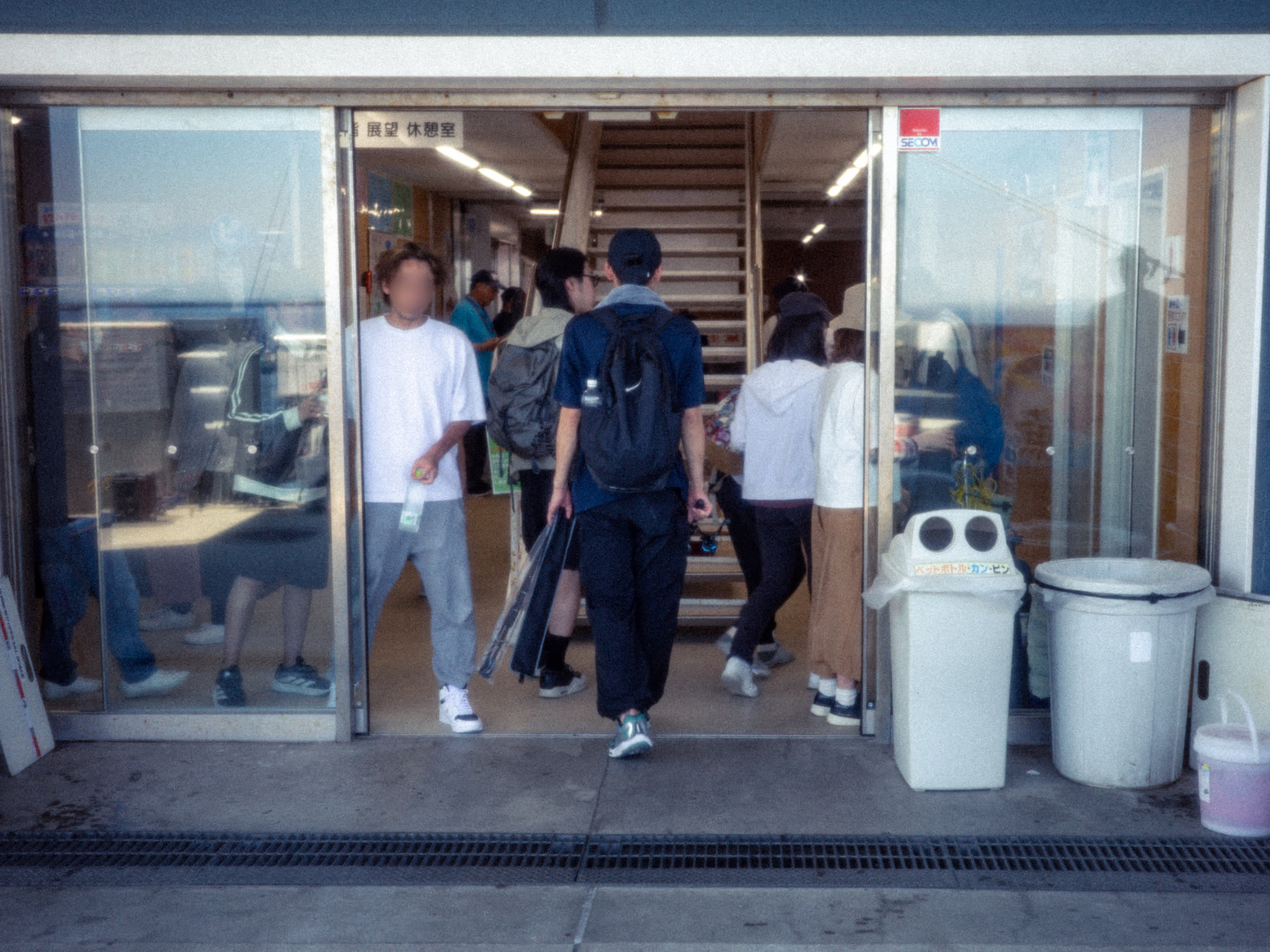
海で釣りをするのは、初めてでした。前に釣りをした場所は、池や川だけです。釣りをするのも久しぶりでした。
とても楽しかったです。そして、とてもいい天気でした(暑い!)。
Costa Rica Mozart | ||
 | origin | Tarrazú, Costa Rica 🇨🇷 |
|---|---|---|
| producer | - | |
| roastery | Sematjam Coffee Roastery | |
| process | Raisin Honey | |
| variety | Caturra | |
| notes |
| |
The aroma already hit as soon as I opened the bag—and even stronger when I ground the beans. Like an infused or co-fermented bean, but it wasn’t! Strawberry hit clearly, with lavender dominating—so floral and tea-like. When I swirled the server, the lavender became even more obvious. Every time I brewed these beans, I kept swirling just to sniff the lavender and strawberry before drinking. From the aroma, I could already tell lavender and strawberry would dominate the first sip—and indeed they did! The journey started like drinking tea, but it ended with something more coffee-like. Though if I brewed it with the same pouring interval but a lower temperature like 85–88°C, it stayed tea-like all the way through, with no coffee taste at all. When I brewed it as an iced pour-over, the aroma and taste became more pronounced—so fresh. The acidity was more noticeable too. I see now why this bean is named Mozart. The aroma… the taste… really were classic and elegant (even though I learned that’s not the real reason behind the name). And I brewed this for a few people—they were surprised and liked it. Also, these beans were easy to brew—the listed notes were easy to bring out—just like the other Costa Rica beans I’ve had. And what stays with me is the aroma—so memorable. It always left the room smelling like lavender—not the usual coffee smell. Especially pleasant when the room was cool. | ||
Burundi Kayanza | ||
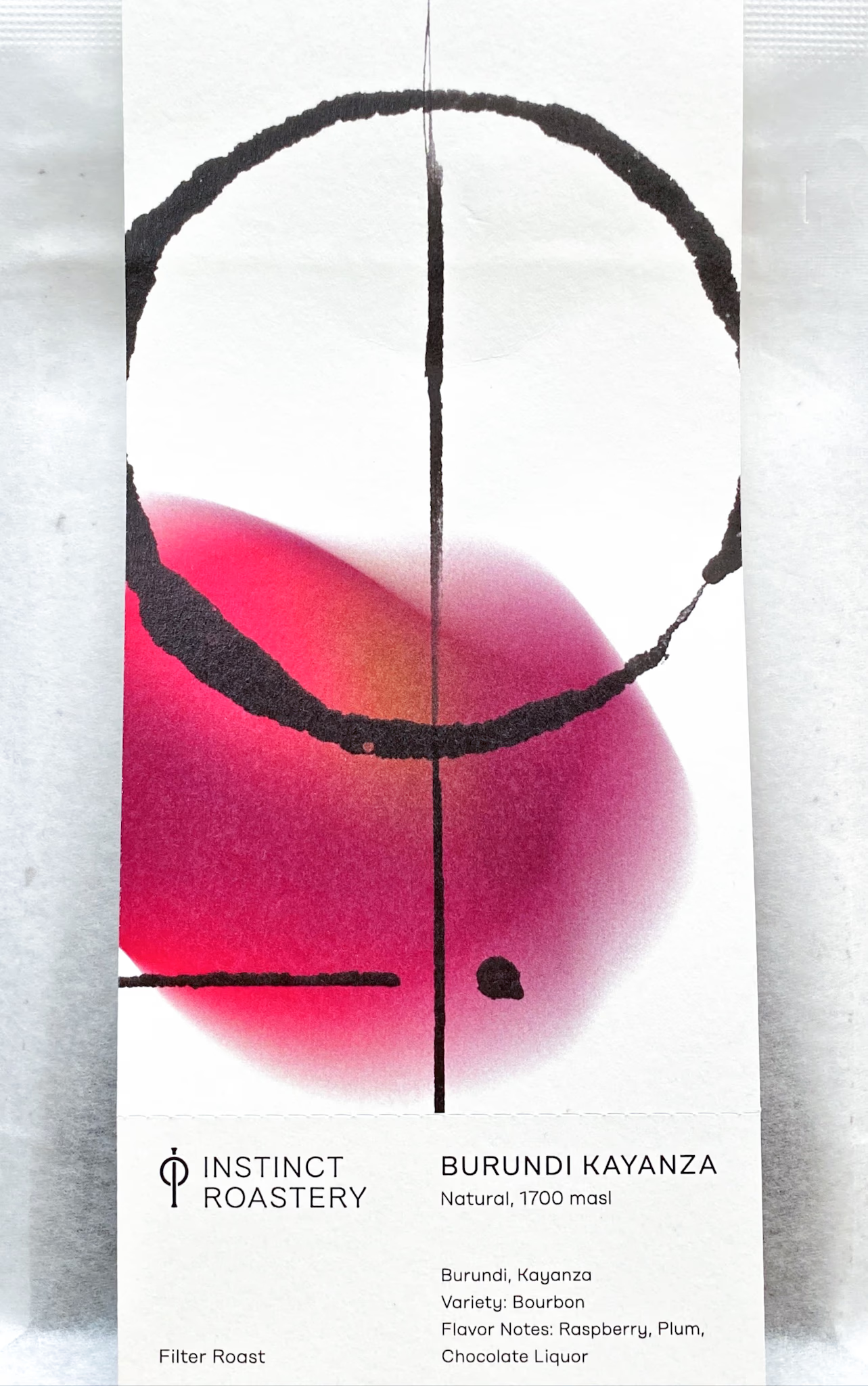 | origin | Kayanza, Burundi 🇧🇮 |
|---|---|---|
| producer | Long Miles | |
| roastery | Instinct Roastery | |
| process | Natural | |
| variety | Bourbon | |
| notes |
| |
The aroma felt balanced. The chocolatey side and the floral side came through together. When I swirled the server, I could sniff the floral aroma more clearly. I only brewed these hot. The cup started with acidity, then a kind of plum hit the palate. Later, the flavor turned drier—like raisin—and finished sweet, with a touch of dark chocolate. The contrast was interesting… I didn’t try brewing these beans as an iced pour-over while I had them. If I get to have these beans again, that’s the first thing I’d try. | ||
Ethiopia Gigesa | ||
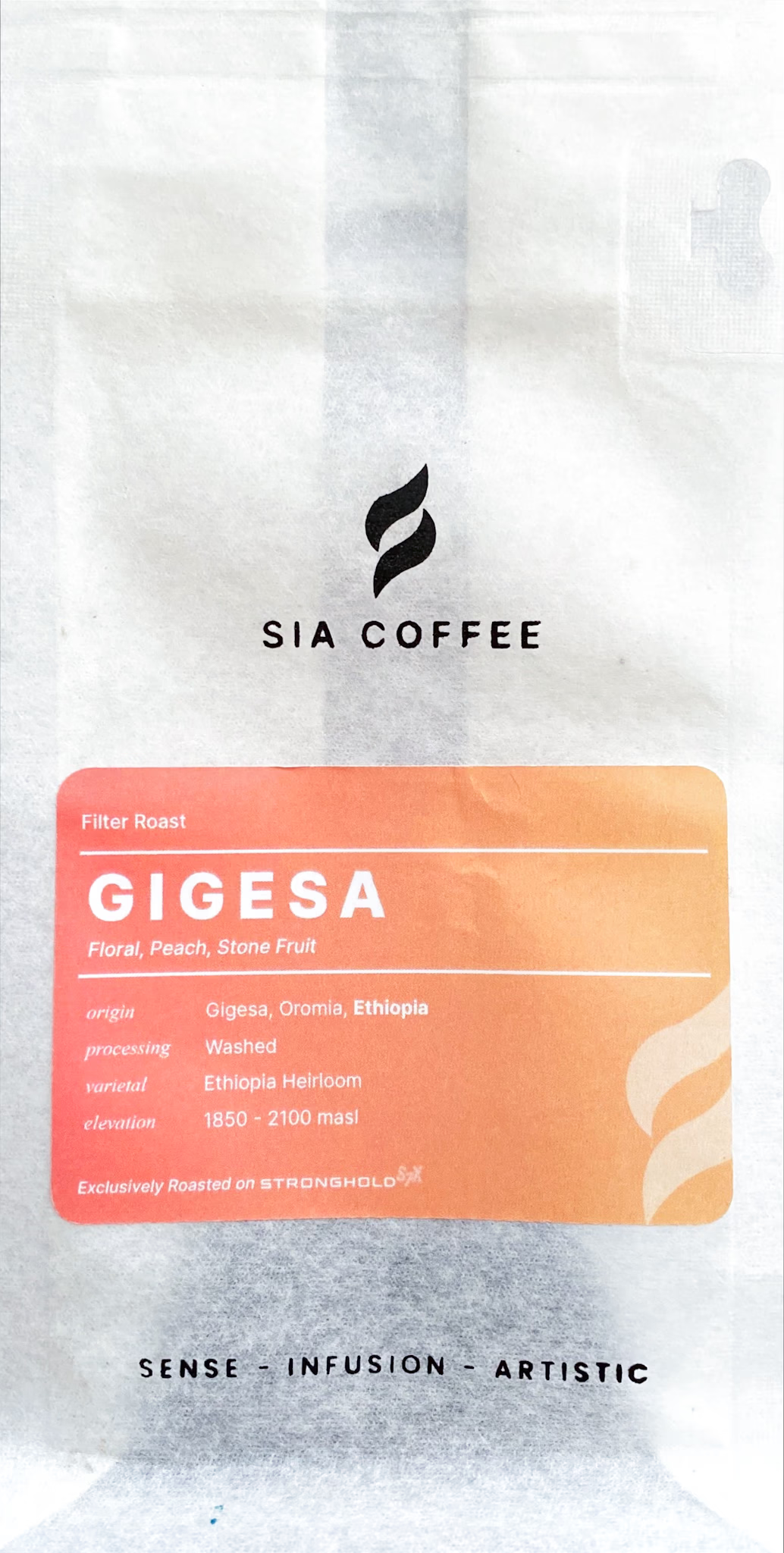 | origin | Guji, Oromia, Ethiopia 🇪🇹 |
|---|---|---|
| producer | - | |
| roastery | SIA Coffee | |
| process | Washed | |
| variety | Heirloom | |
| notes |
| |
I thought Gigesa was a kind of Gesha—or a variety derived from it. I was curious and decided to buy it. The aroma was so floral—typical of Ethiopian beans. And there was quite a sweet impression too. Even when I swirled the server, the aroma stayed the same. On the first sip, the peach really hit—so pronounced, with light acidity. Peach remained the main impression from start to finish. But what was interesting—what impressed me—was the aftertaste. It was fresh while the cup was still warm—and even fresher when it got cold. There was another layer too, like eating a sour fruit—perhaps lime(?). I also got lemongrass, and that was the freshest part, the one that caught my attention. These beans left lots of chaff after grinding, so I needed to get rid of the chaff with a blower to get a better brew—less drawdown and better clarity. But I liked the taste after all. So far, these are the Ethiopian beans I’ve liked. Is it related to Gesha? Turns out it’s not. I learned that Gigesa is the name of a washing station in Guji, which collects cherries from around 850 small farmers in the area. | ||

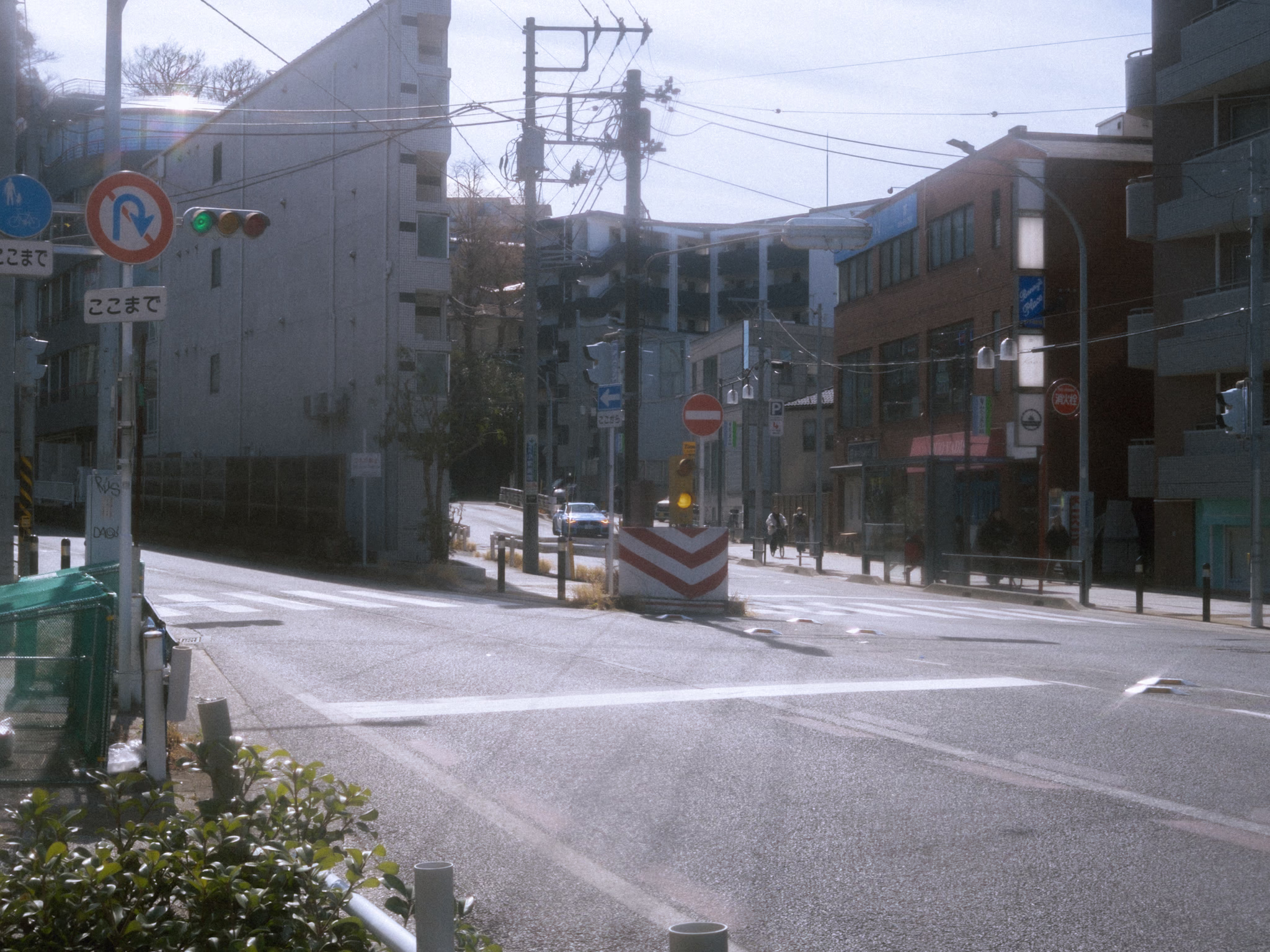
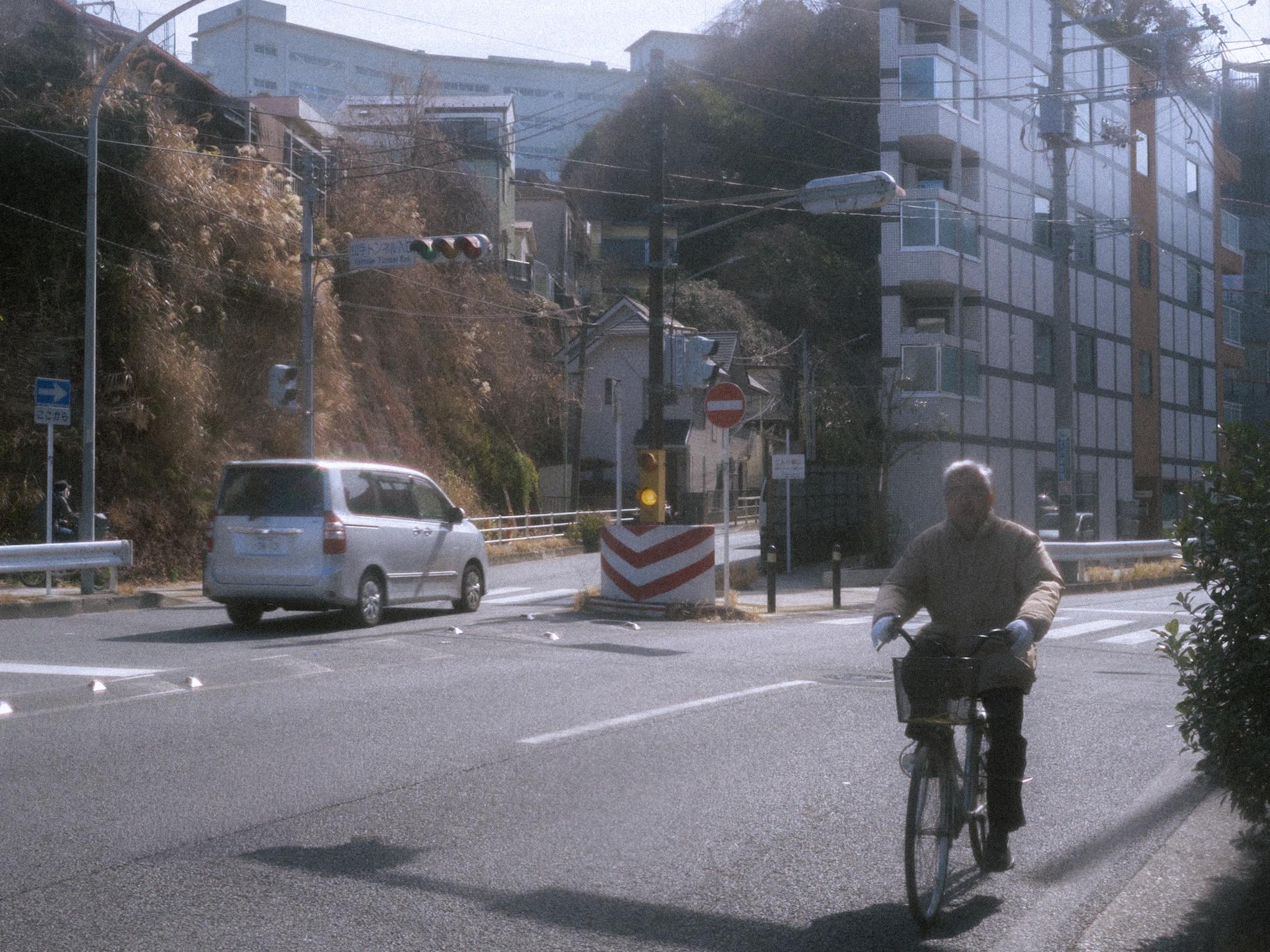
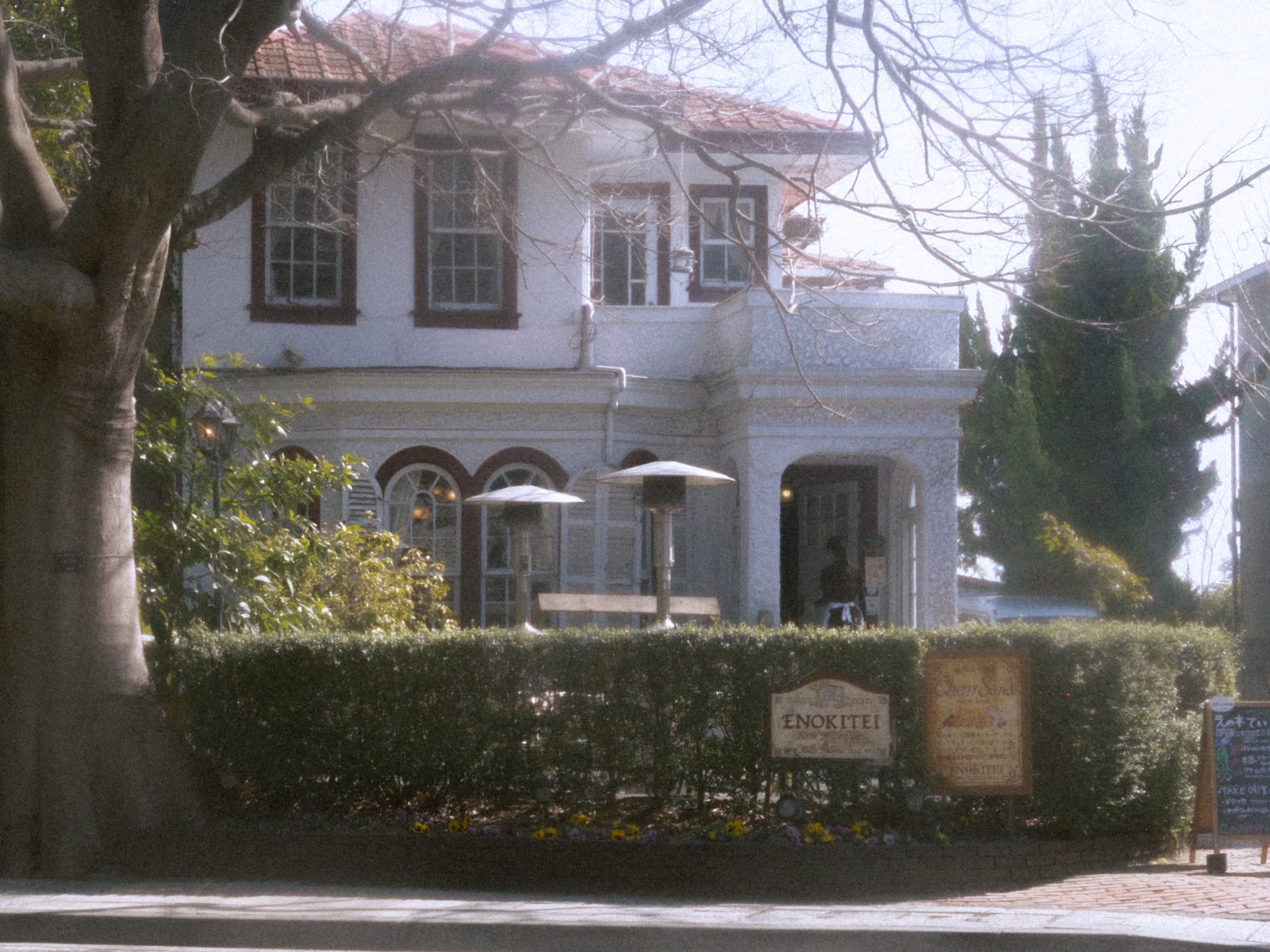
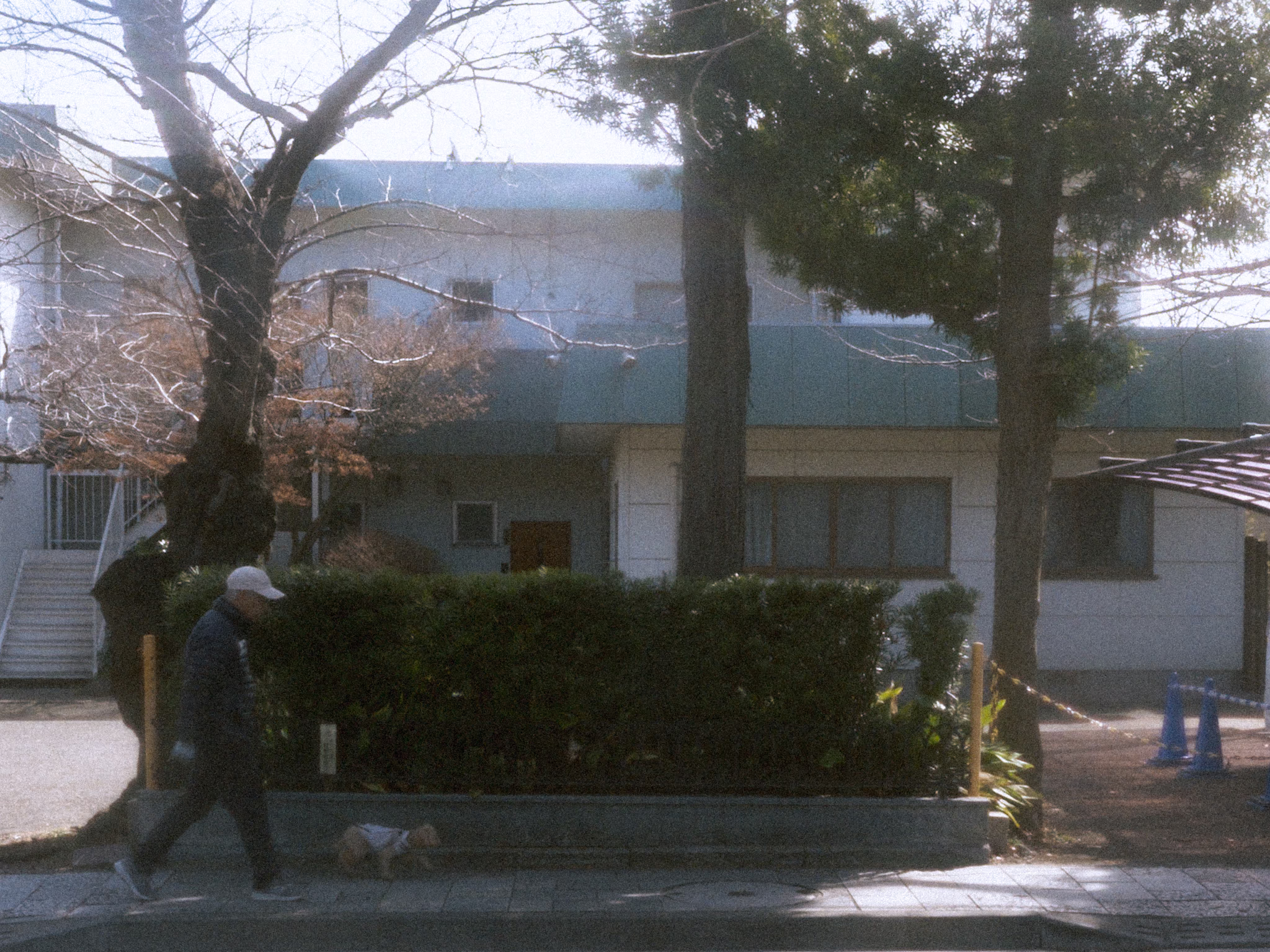
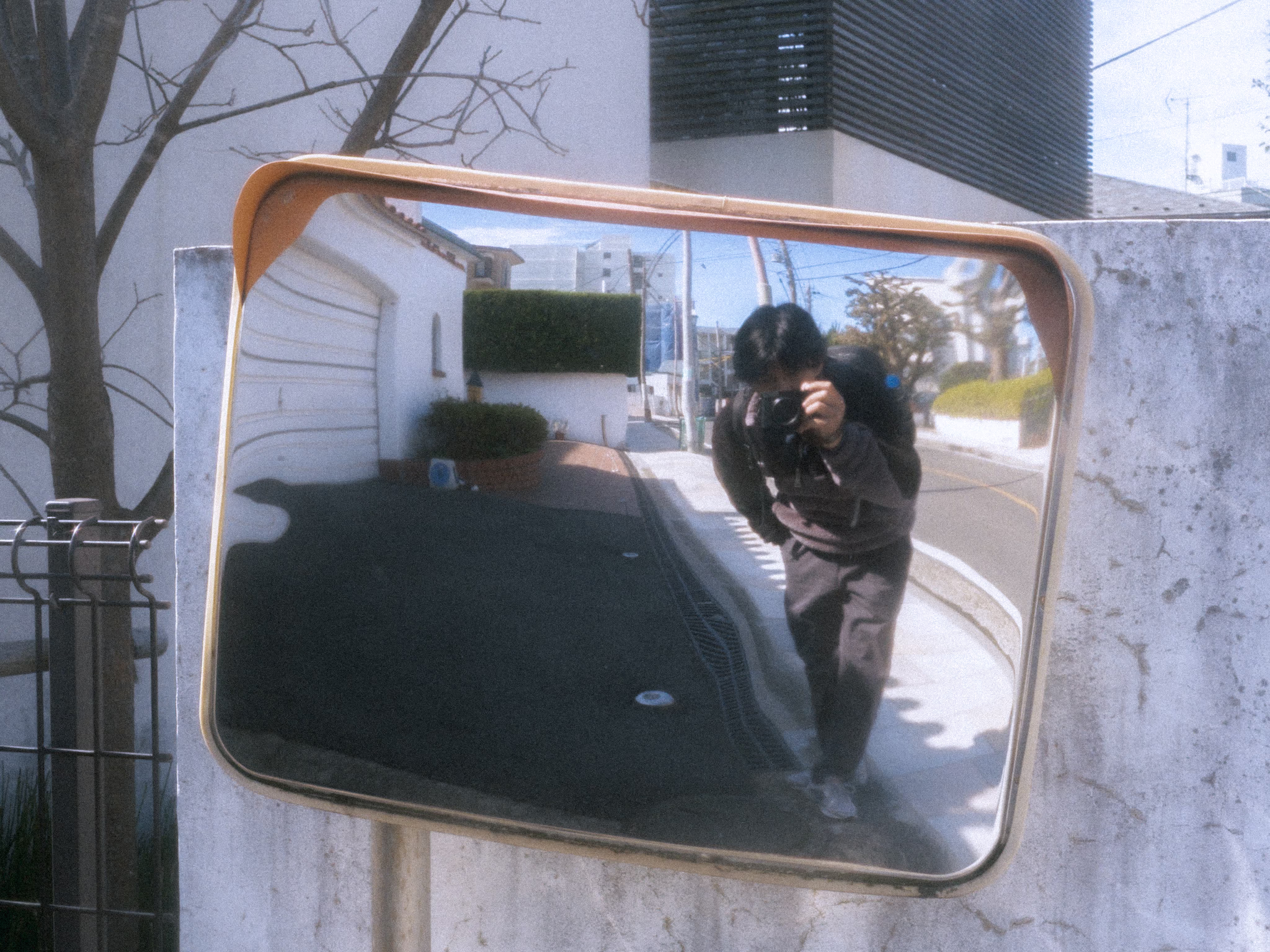
These places aren’t landmarks—not even spots people would photograph. But I visit them every time I’m in Yokohama. I discovered them through two beautiful songs I heard in middle school—songs with music videos set in these exact places.
I remember the first time I visited—I put on my headphones, played both songs, and just stood there for some time—lost in nostalgia until the songs ended. Then I realized I was standing in beautiful places because of those songs—places I once only knew from a screen. I don’t have a word for what this is. People might call it manifestation—something I don’t believe in. Whatever it is… it is—at least to me—sentimental!
Now, every time I visit, even without playing the songs, I still find myself standing there and letting the memories find their way back.
It’s always sentimental Yamatecho.