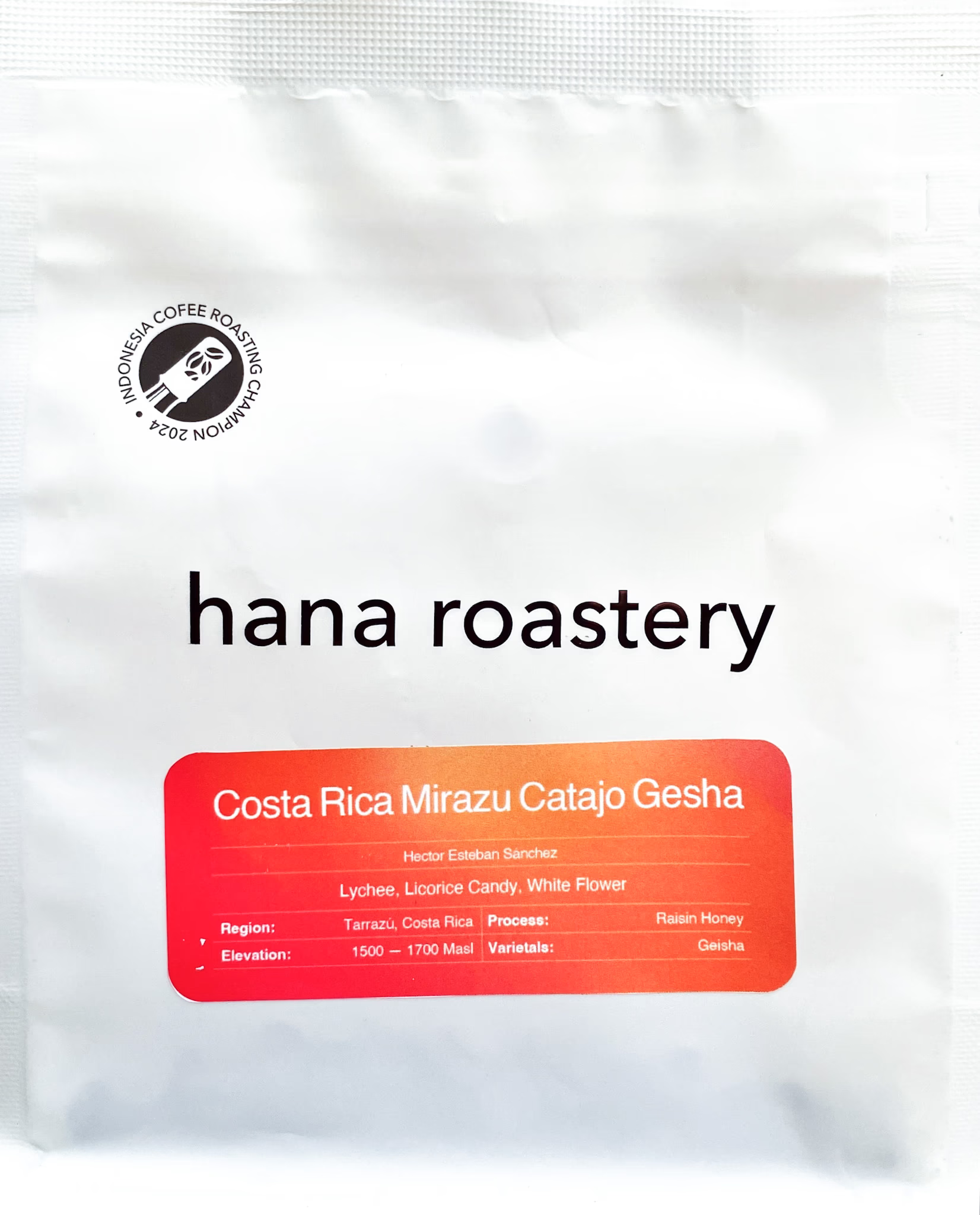
Costa Rica Mirazu Catajo Gesha | ||
![]() | origin | Tarrazú, Costa Rica 🇨🇷 |
|---|---|---|
| producer | Héctor Esteban Sánchez | |
| roastery | hana roastery | |
| process | Raisin Honey | |
| variety | Geisha | |
| notes |
| |
Lychee aroma really hits from the first sniff. As usual, when I swirl the server, the aroma gets even stronger—clearly floral too, though I’m not sure it’s white flower like the listed notes. On the palate, the body feels syrupy, with a long aftertaste—comfortable and pleasant. The lychee stays pronounced from the first sniff to the last sip. It’s quite sweet, with the light acidity lychee has. I caught something else in there too, but I still couldn’t tell what it was by the time the beans ran out. My palate isn’t rich enough yet. I also brewed with a chilling ball… and it felt brighter and cleaner. The trade-off was that sweetness weakened, and the syrupy body thinned. After all, more interesting beans from Costa Rica. I got a chilling ball around the time I had these beans because I was curious what it could bring out as an alternative to ice. Technically, both bring the aroma out more, lean the palate toward acidity, and soften the body a bit. But the chilling ball works better for me because it doesn’t make the coffee watery. From now on, the chilling ball will be part of my brewing experiments. The Icosa server already helps bring the aroma out when I swirl it—and pairing it with the chilling ball could bring out even more. | ||
コーヒー
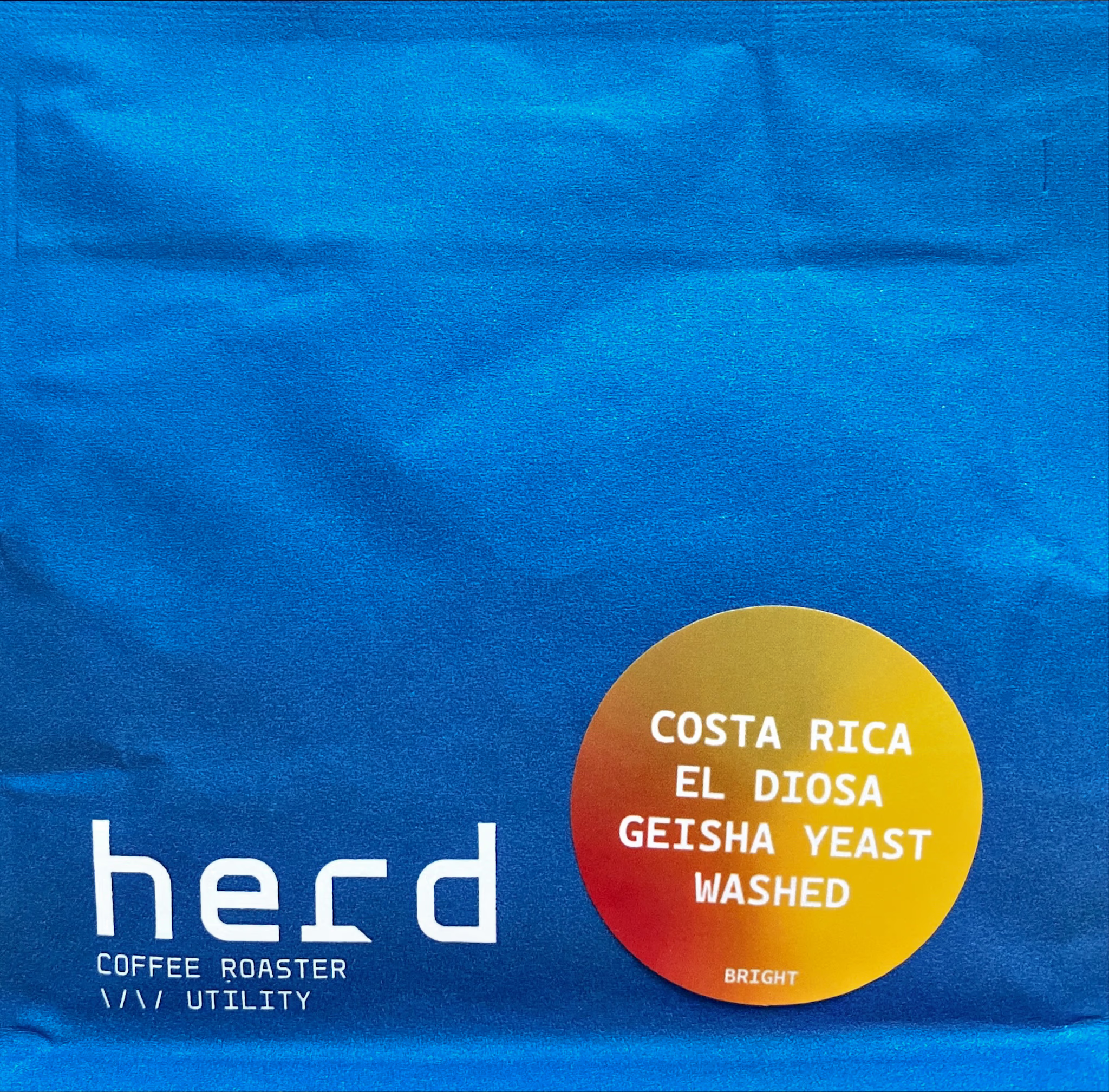
Costa Rica El Diosa

origin Tarrazú, Costa Rica 🇨🇷 producer - roastery Herd Coffee Roaster process Yeast Washed variety Geisha notes - Melon
- Osmanthus
- Vanillin
I bought these beans not just because they’re from Costa Rica, but also because osmanthus is one of the listed notes. I know osmanthus scent so well. It’s one of the most pleasant scents to me, and it always takes me back to the smell of autumn in Japan.
Sniff the aroma… it’s fairly floral and reminds me of Costa Rica Mozart—perhaps because of the same origin. While brewing, I also catch a bit of vanilla—similar to the aroma I get when brewing El Diviso Sidra.
On the palate, there’s light acidity at the start, then light brown sugar. Even brewed as an iced pour-over, the acidity stays light. Sometimes I can taste a bit of vanilla too—though I catch it more in the aroma while brewing than on the palate.
And about osmanthus… it isn’t really that pronounced here. I’ve even tried changing brew variables every time to bring out more osmanthus aroma. But I get it… I get the osmanthus sentiment here… it’s just not a highlight—unfortunately.
And what surprises me—when the coffee gets slightly cooler, the pear note really comes through.
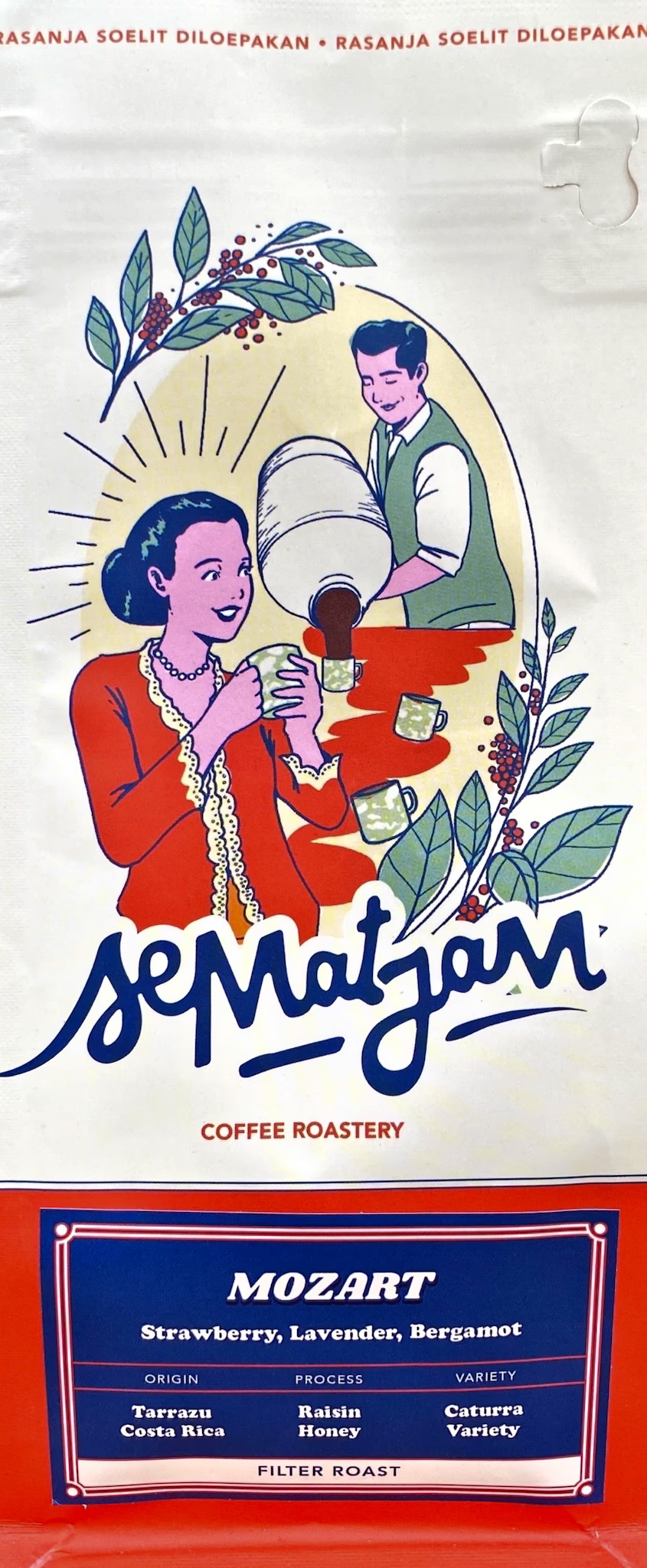
Costa Rica Mozart

origin Tarrazú, Costa Rica 🇨🇷 producer - roastery Sematjam Coffee Roastery process Raisin Honey variety Caturra notes - Strawberry milkshake
- Lavender
- Stone fruit
The aroma already hits as soon as I open the bag—and even harder when I grind. Like an infused or co-fermented bean, but it isn’t!
Strawberry hits clearly, with lavender dominating—so floral and tea-like. When I swirl the server, the lavender becomes even more obvious. Every time I brew these beans, I keep swirling just to sniff the lavender and strawberry before drinking.
From the aroma, I can already tell lavender and strawberry will dominate the first sip—and indeed they do! The journey starts like drinking tea, but it ends with something more coffee-like. Though if I brew it with the same pouring interval but a lower temperature like 85–88°C, it stays tea-like all the way through, with no coffee taste at all. When I brew it as an iced pour-over, the aroma and taste become more pronounced—so fresh. The acidity is more noticeable too.
I see now why this bean is named Mozart. The aroma… the taste… really are classic and elegant (even though I learned that’s not the real reason behind the name). And I’ve brewed this for a few people—they were surprised and liked it.
Also, these beans are easy to brew—the listed notes are easy to bring out—just like the other Costa Rica beans I’ve had.
And what stays with me is the aroma—so memorable. Always leaving the room smelling like lavender—not the usual coffee smell. Especially pleasant when the room is cool.
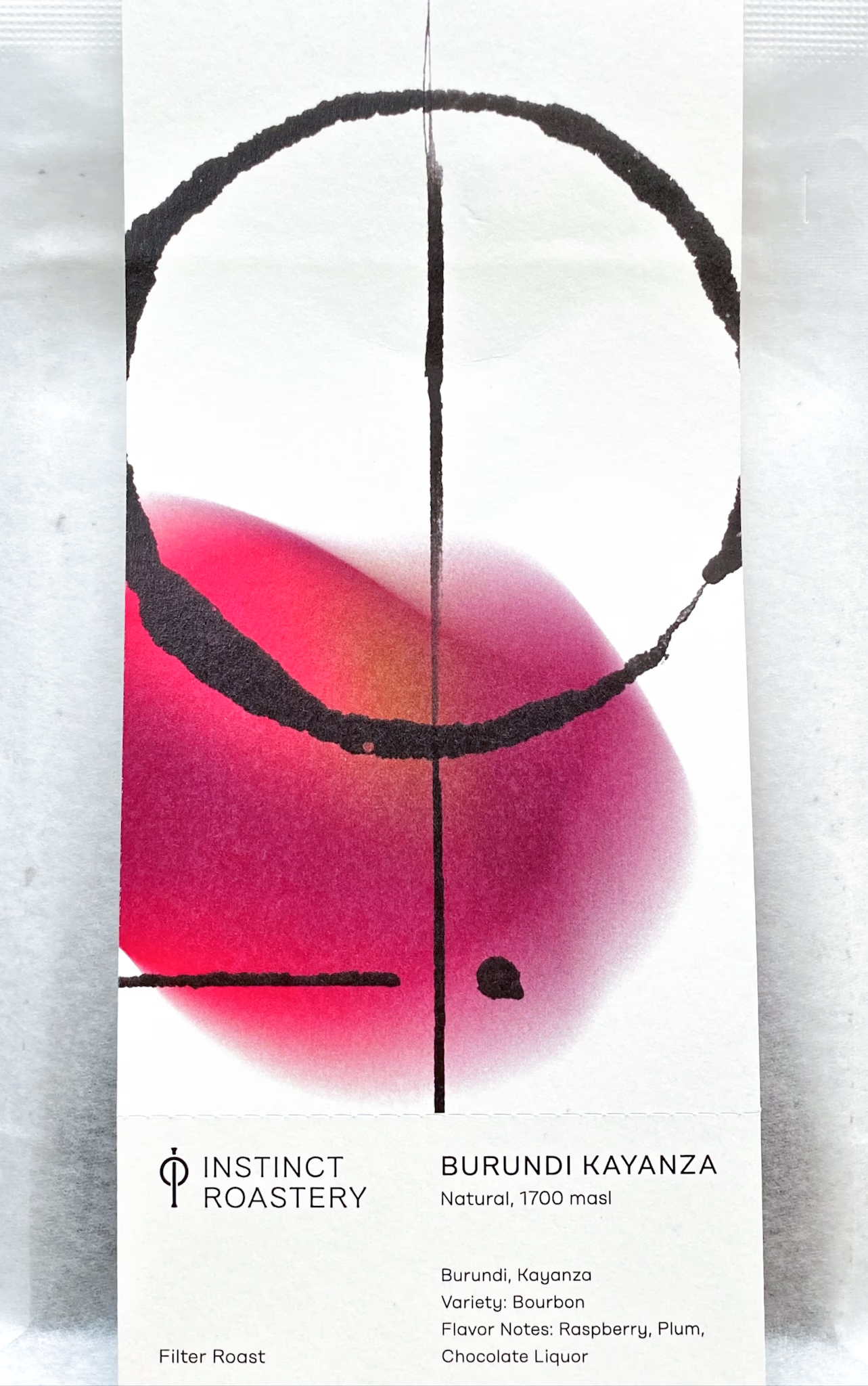
Burundi Kayanza

origin Kayanza, Burundi 🇧🇮 producer Long Miles roastery Instinct Roastery process Natural variety Bourbon notes - Raspberry
- Plum
- Chocolate liquor
The aroma feels balanced. The chocolatey side and the floral side come through together. But if I swirl the server, I can sniff the floral aroma more clearly.
Since the first cup, I’ve only brewed these hot. When I sip, it starts with acidity and ends with sweetness. A kind of plum hits first on the palate, but later it tastes drier—like raisin. And there’s a touch of dark chocolate at the end. The contrast is interesting…
I haven’t tried brewing these beans as an iced pour-over yet. If I get to have these beans again, that’s the first thing I’d try.
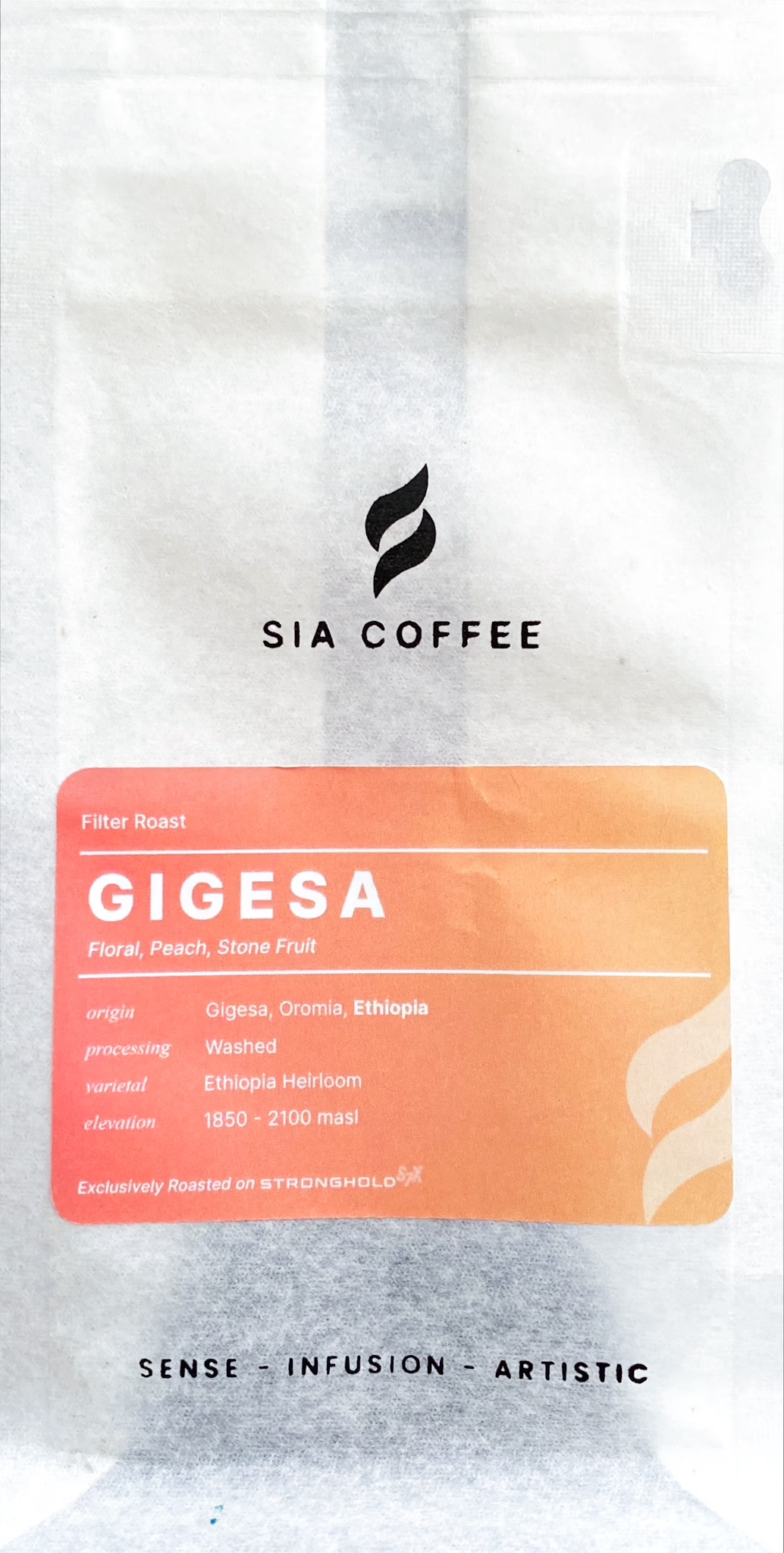
Ethiopia Gigesa

origin Guji, Oromia, Ethiopia 🇪🇹 producer - roastery SIA Coffee process Washed variety Heirloom notes - Floral
- Peach
- Stone fruit
I thought Gigesa was a kind of Gesha—or a variety derived from it. I was curious and decided to buy it.
The aroma is so floral—typical of the Ethiopian beans. And there’s quite a sweet impression too. Even when I swirl the server, the aroma stays the same.
On the first sip, the peach really hits—so pronounced, with light acidity. From the start to the end, the impression is always peach.
But what’s interesting—what impresses me—is the aftertaste. Fresh even when the cup is still warm—and even fresher when it gets cold.
That aftertaste is like eating a sour fruit. I’m not sure, but perhaps lime(?). But there’s also a taste of lemongrass—and that’s the freshest part, the one that catches my attention.
These beans leave lots of chaff after grinding, so I need to get rid of the chaff with a blower to get a better brew—less drawdown and better clarity.
But I like the taste after all. So far these are the Ethiopian beans I like.
Is it related to Gesha? Turns out it’s not. I learned that Gigesa is the name of a washing station in Guji, which collects cherries from around 850 small farmers in the area.
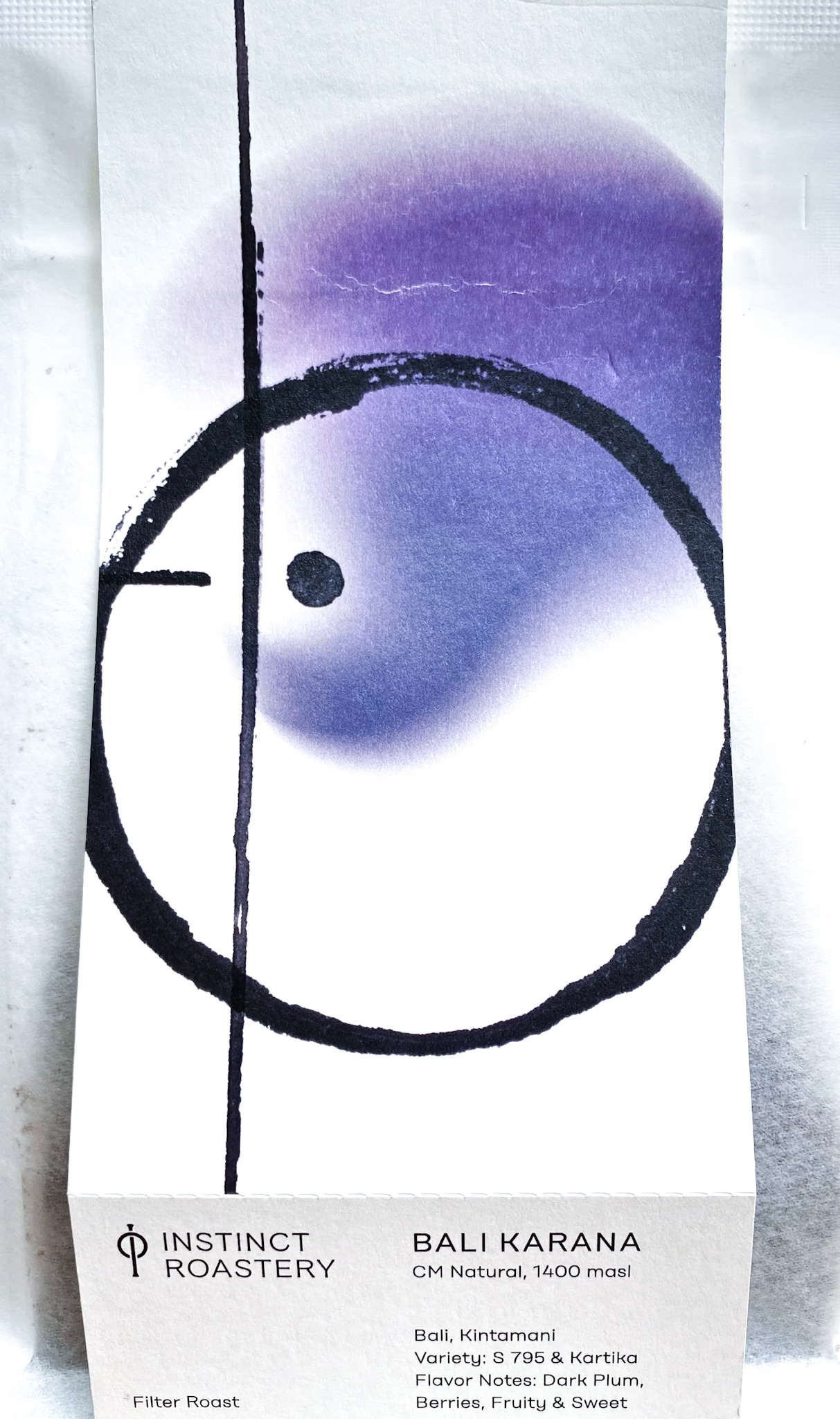
Bali Karana

origin Kintamani, Bali, Indonesia 🇮🇩 producer - roastery Instinct Roastery process Carbonic Maceration Natural variety S795, Kartika notes - Dark plum
- Berries
- Fruity & sweet
The aroma is perhaps grape, perhaps raisin, or something like wine-process beans from Kamojang and Gayo—just not as strong. But I catch a clear hint of grape every time I swirl the server.
On the first sip, a dominant citrusy acidity hits, and it’s funky fruity. Though… I can’t really name the notes at the start. What’s clear is the brown sugar at the end—really pronounced, leaving a sweet impression.
Brewed as an iced pour-over, it turns lighter and funkier—so refreshing.
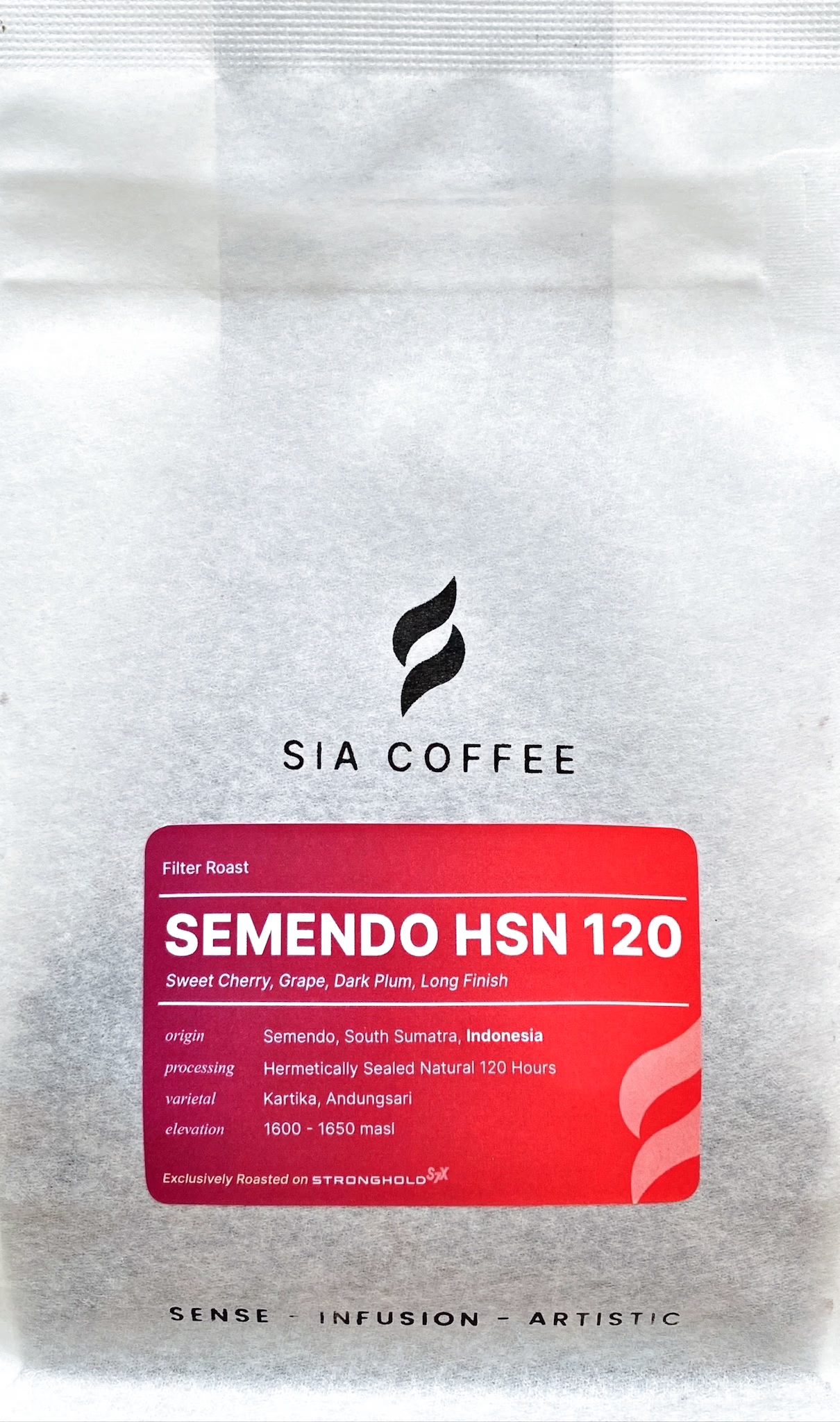
Semendo Finca Ali HSN 120

origin Semendo Highlands, Indonesia 🇮🇩 producer Curators Coffee Company roastery SIA Coffee process Hermetically Sealed Natural 120hrs variety Kartika Andungsari notes - Sweet cherry
- Grape
- Dark plum
The aroma is soft and floral. I haven’t smelled any chocolatey or nutty aroma the whole time I’ve had these beans. It’s tea-like.
Citrusy acidity dominates. I taste something familiar from the first sip—and I only realize later it’s cherry (the one in the notes)! I rarely eat cherries, so the taste is hard to recall. Funny that this coffee reminds me of what cherry tastes like. At the end, there’s grape—not as aroma, but more like the aftertaste of eating one.