

晴れた日の森林公園。青い空に、雲が少し。

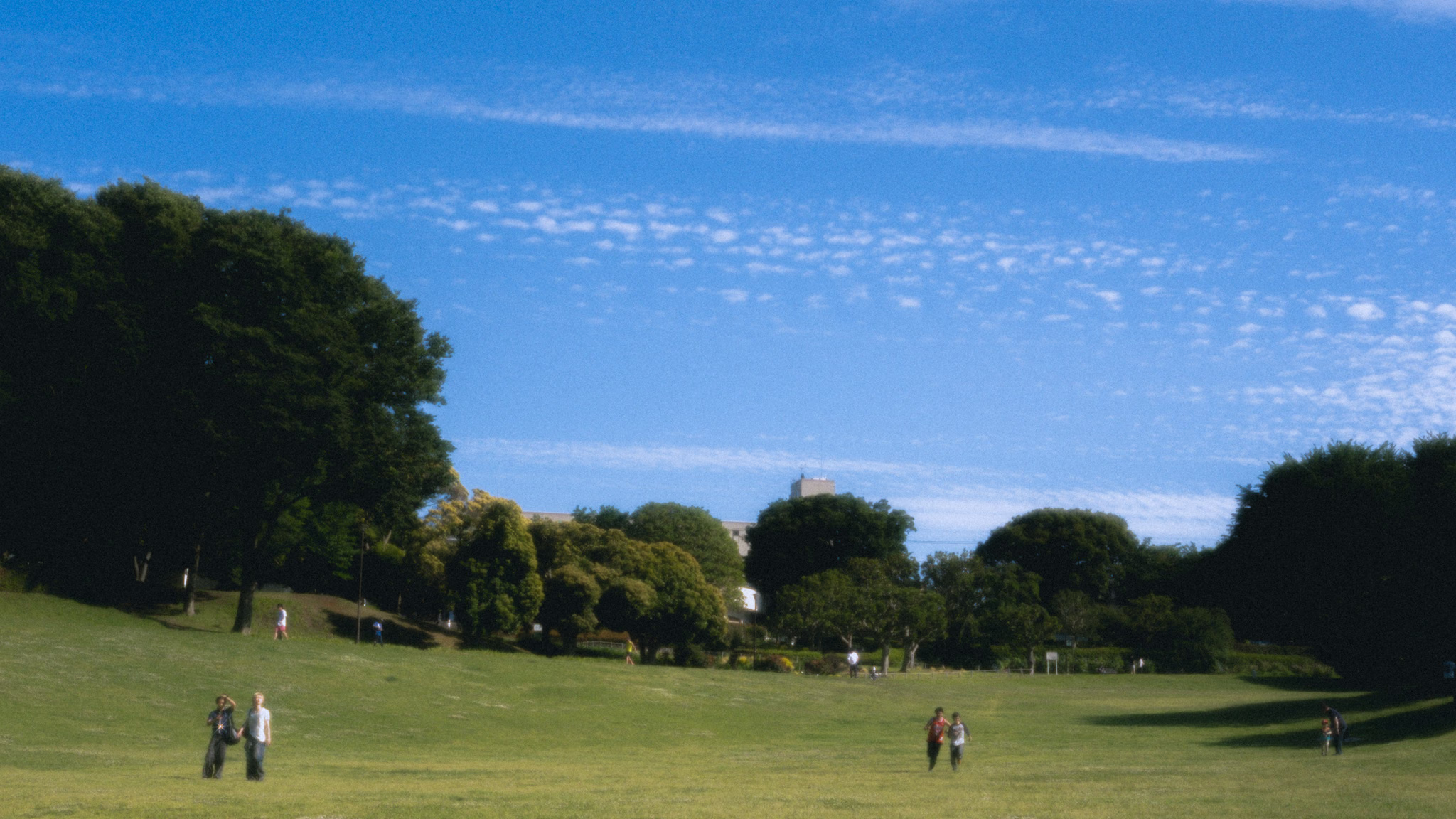

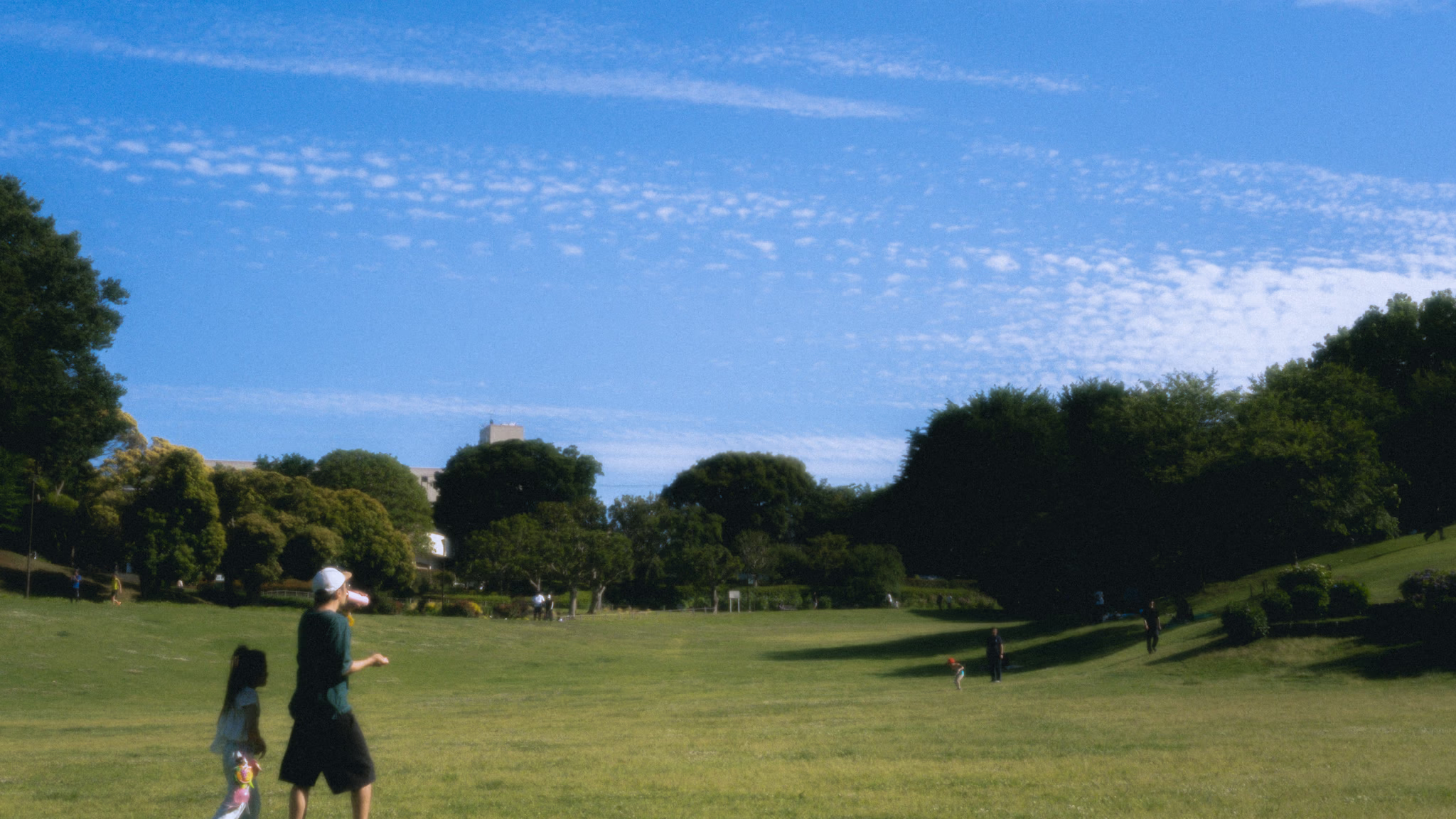

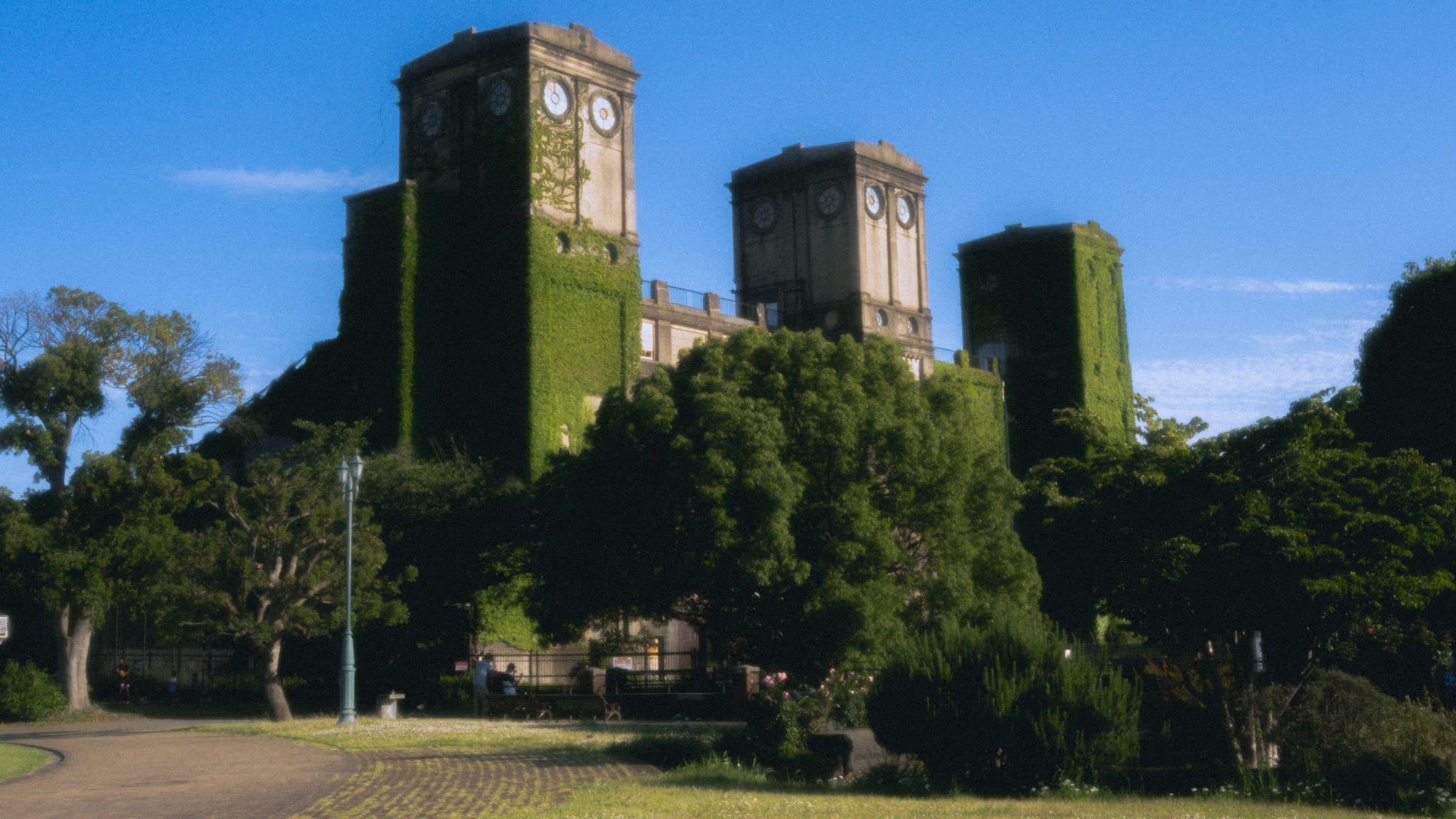

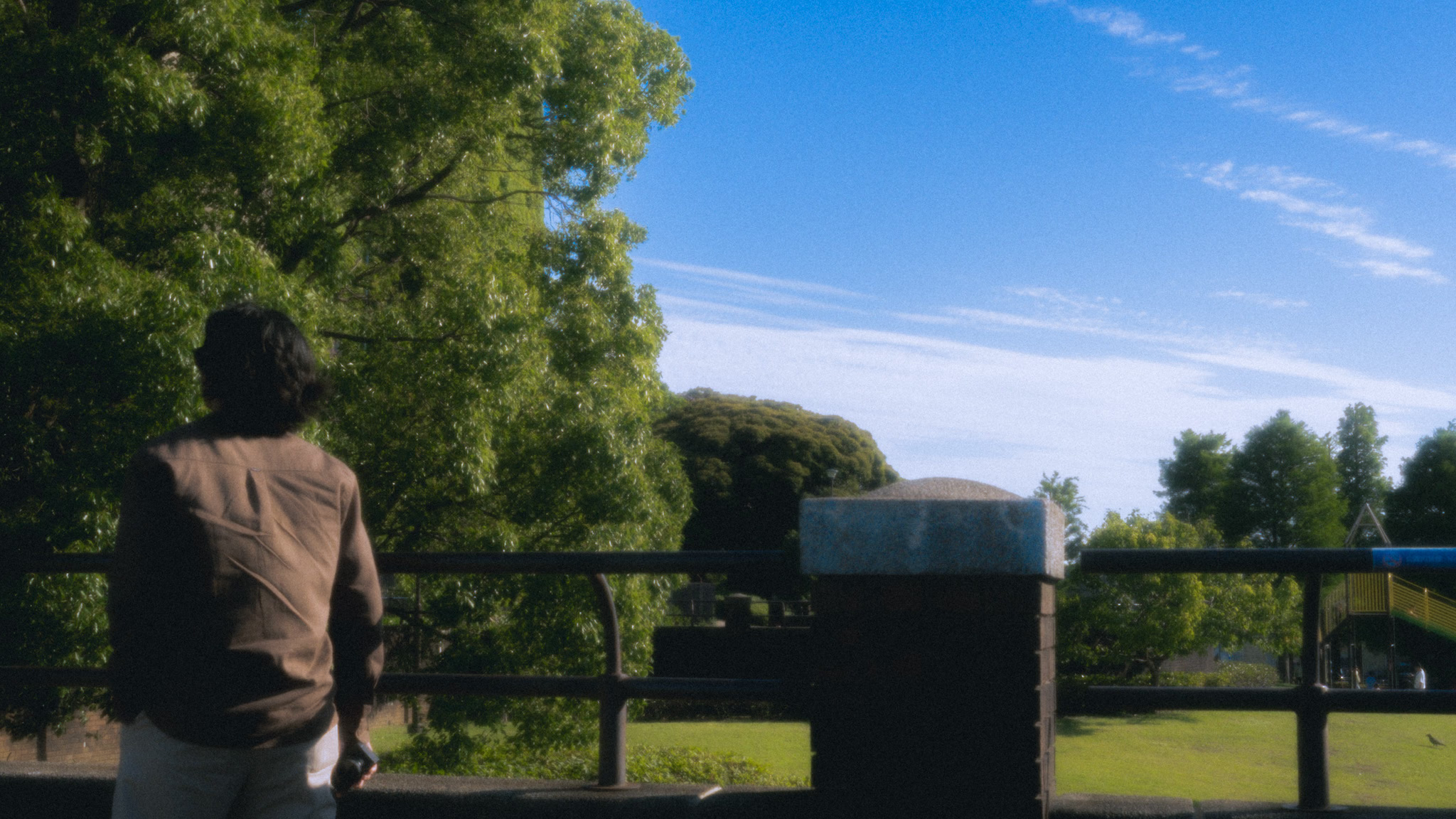
ジョギングをする人。犬と散歩する人。ピクニックをする人。楽しそうに遊ぶ子どもたち。そして、遠くでカラスが鳴いていました。
晴れた日の森林公園。青い空に、雲が少し。
ジョギングをする人。犬と散歩する人。ピクニックをする人。楽しそうに遊ぶ子どもたち。そして、遠くでカラスが鳴いていました。
Shinshu Apple Coffee | ||
 | origin | Brazil 🇧🇷 |
|---|---|---|
| producer | - | |
| roastery | Alps coffee lAb. | |
| process | Fruit Fermentation (Second Natural) | |
| notes | Shinshu apple | |
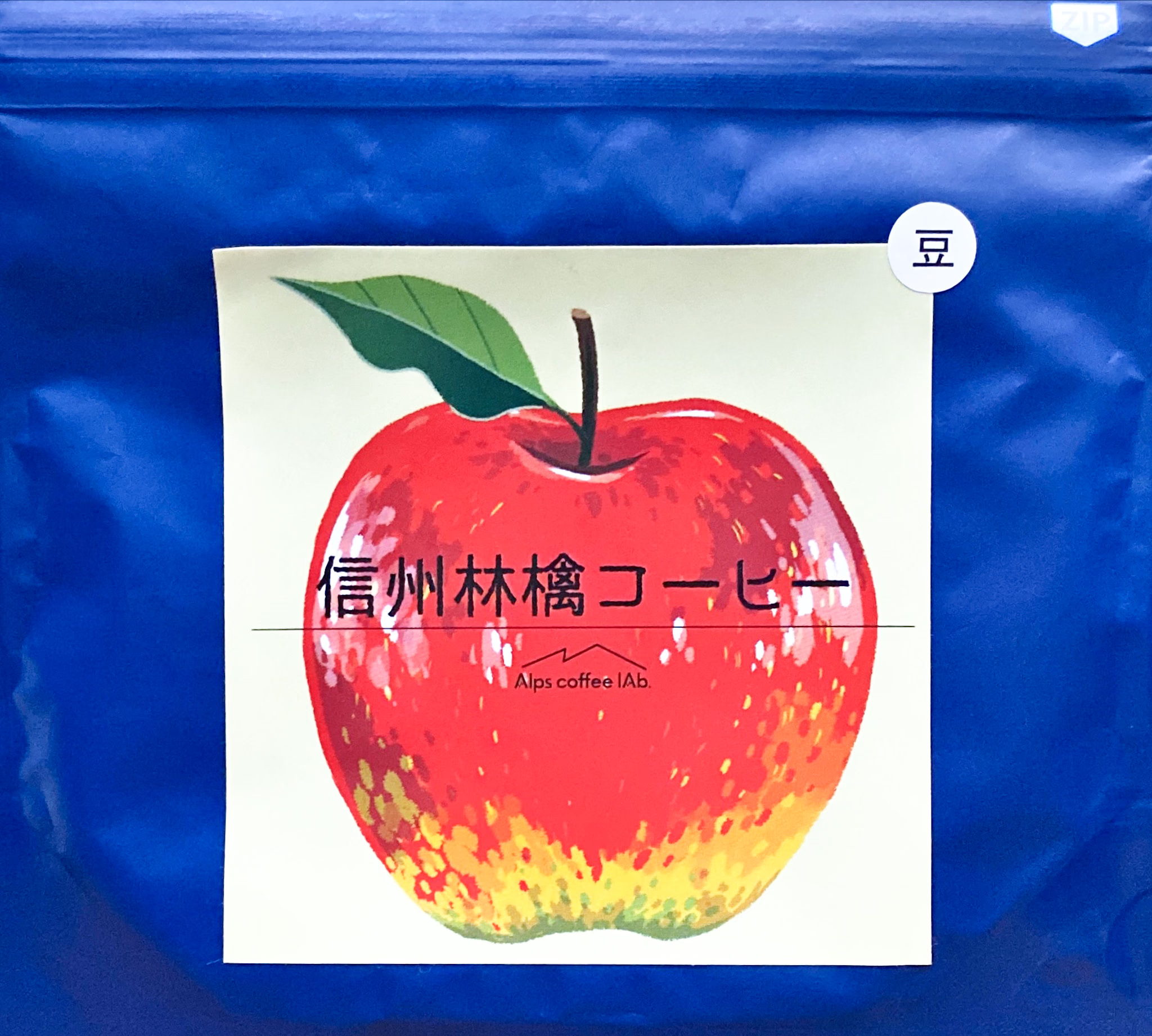
This was one of the coffees my partner brought me back from a family trip to Matsumoto. The bag had an apple picture with a Shinshu Apple Coffee label, and the back said the beans were fermented with Shinshu apples. So it’s apple coffee. When the bag was opened, there was no apple aroma at all. Unusual, because from what I know, co-fermented or infused coffees usually already have a noticeable aroma even before the beans are ground. After brewing it a few times, the apple aroma from this coffee was always subtle. Even swirling the server didn’t make the aroma any clearer or stronger. On the palate, the apple note was subtle too while drinking—the taste stayed consistent from the first sip to the finish—even when it cooled down a bit—but I felt the apple note was more noticeable in the aftertaste. The coffee had a light body, some sweetness, mild acidity, and very little bitterness. There was no complexity. Of course, I brewed this one as iced coffee too—it’s one of the checklists whenever I try new beans. When I made iced coffee, I usually brewed it stronger so it wouldn’t turn watery when the ice was added. This time—before adding the ice—I gave it a sniff and a sip while it was still strong. But the apple note was still subtle. I’ve tried fruit-fermented coffees where the fruit flavor was strong, and some tended to feel artificial. In contrast, this coffee’s fruit-fermentation aroma wasn’t strong, but it wasn’t bad. In fact, it felt just right and was enjoyable—something I could drink every day. The subtle apple note made me wonder if that was intentional—did they use only a little juice, or did the Brazilian beans’ stronger character make the apple less noticeable? I checked the roastery’s website, but I couldn’t find an answer. But I found an interesting fact that the beans are soaked in juice from Shinshu apples that wouldn’t normally make it to market, as part of the roastery’s effort to reduce food waste—something I think is a good initiative. All in all, it’s always nice to know what happens behind the scenes in coffee production—hulu ke hilir—it makes me respect and appreciate the beans more. | ||
Costa Rica Mirazu Catajo Gesha | ||
 | origin | Tarrazú, Costa Rica 🇨🇷 |
|---|---|---|
| producer | Héctor Esteban Sánchez | |
| roastery | hana roastery | |
| process | Raisin Honey | |
| variety | Geisha | |
| notes |
| |
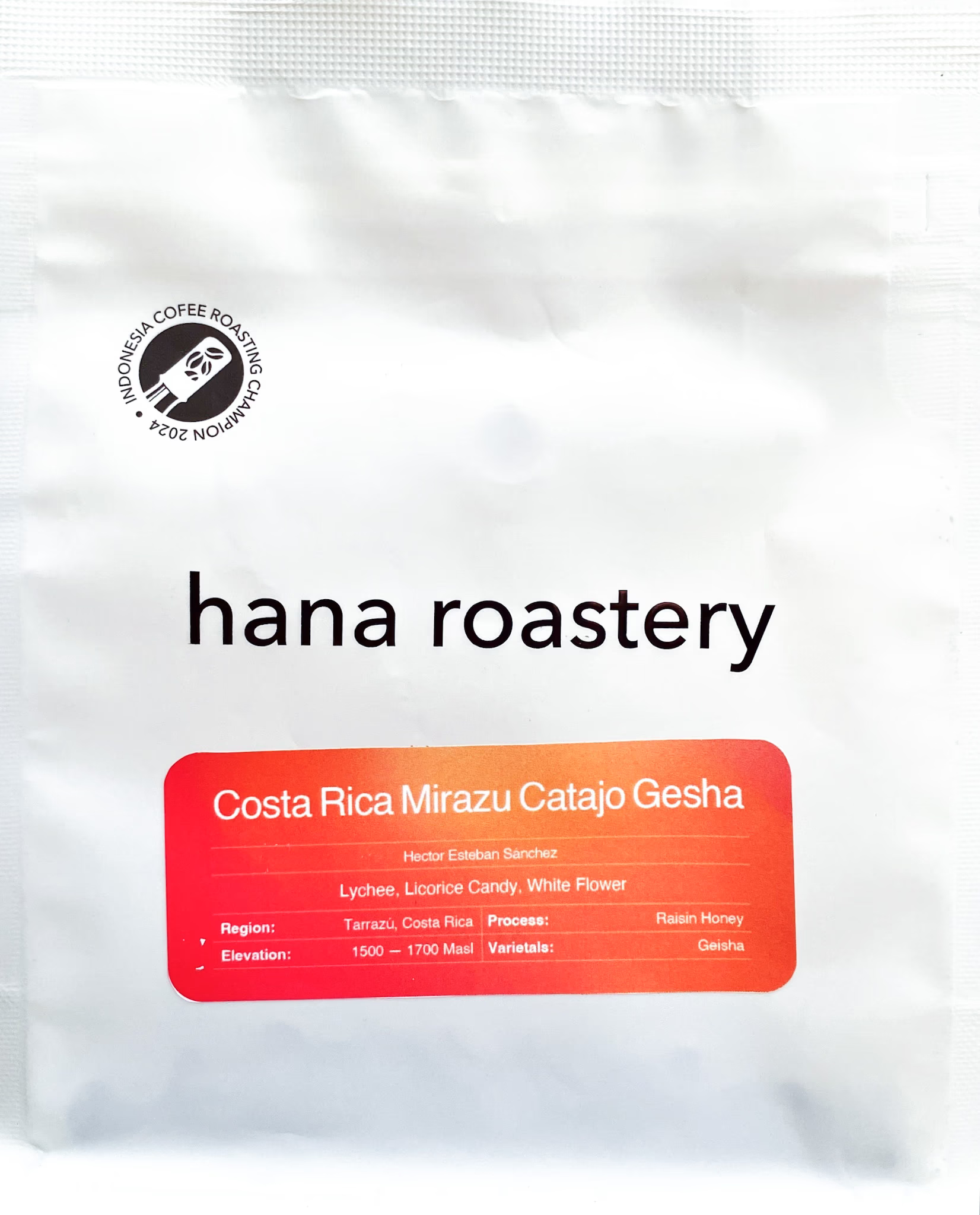
Lychee aroma really hit from the first sniff. As usual, when I swirled the server, the aroma got even stronger—clearly floral too, though I wasn’t sure it was white flower like the listed notes. On the palate, the body felt syrupy, with a long aftertaste—comfortable and pleasant. The lychee stayed pronounced from the first sniff to the last sip. It was quite sweet, with the light acidity lychee has. I caught something else in there too, but I still couldn’t tell what it was by the time the beans ran out. My palate isn’t rich enough yet. I also brewed with a chilling ball… and it felt brighter and cleaner. The trade-off was that sweetness weakened, and the syrupy body thinned. All in all, another interesting coffee from Costa Rica. I got a chilling ball around the time I had these beans because I was curious what it could bring out as an alternative to ice. Technically, both bring the aroma out more, lean the palate toward acidity, and soften the body a bit. But the chilling ball works better for me because it doesn’t make the coffee watery. From now on, the chilling ball will be part of my brewing experiments. The Icosa server already helps bring the aroma out when I swirl it—and pairing it with the chilling ball could bring out even more. | ||
Costa Rica El Diosa | ||
 | origin | Tarrazú, Costa Rica 🇨🇷 |
|---|---|---|
| producer | - | |
| roastery | Herd Coffee Roaster | |
| process | Yeast Washed | |
| variety | Geisha | |
| notes |
| |
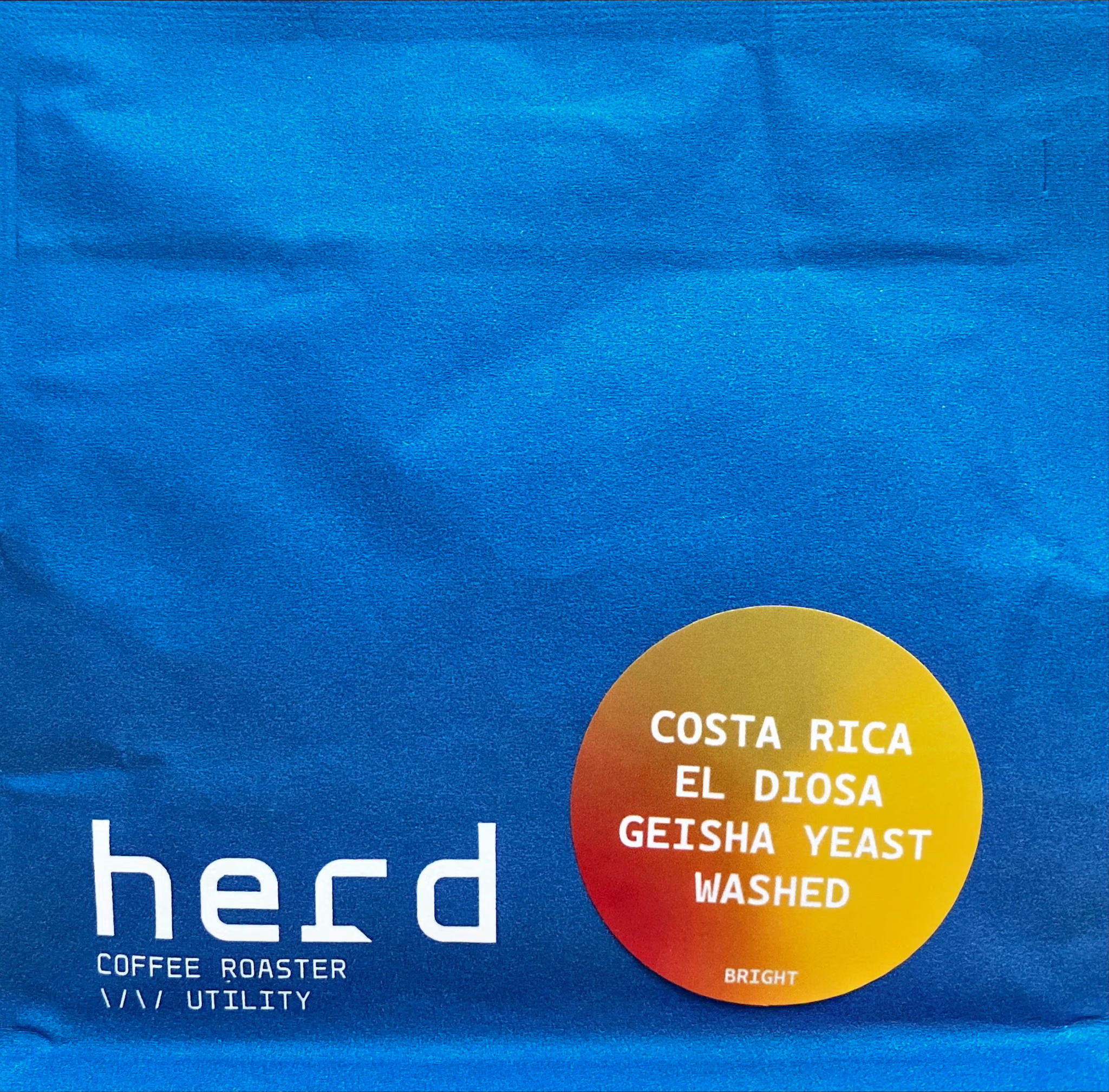
I bought these beans not just because they’re from Costa Rica, but also because osmanthus was one of the listed notes. I know osmanthus scent so well. It’s one of the most pleasant scents to me, and it always takes me back to the smell of autumn in Japan. Sniffed the aroma… it was fairly floral and reminded me of Costa Rica Mozart—perhaps because of the same origin. While brewing, I also caught a bit of vanilla—similar to the aroma I got when brewing El Diviso Sidra. On the palate, there was light acidity at the start, then light brown sugar. Even brewed as an iced pour-over, the acidity stayed light. Sometimes I could taste a bit of vanilla too—though I caught it more in the aroma while brewing than on the palate. And about osmanthus… it wasn’t really that pronounced here. I even tried changing the brew variables each time to bring out more osmanthus aroma. But I got it… I got the osmanthus sentiment here… it just wasn’t a highlight—unfortunately. And what surprised me—when the coffee got slightly cooler, the pear note really came through. | ||


